CATFleet management concept for construction operations
CAT
Fleet management concept for construction operations
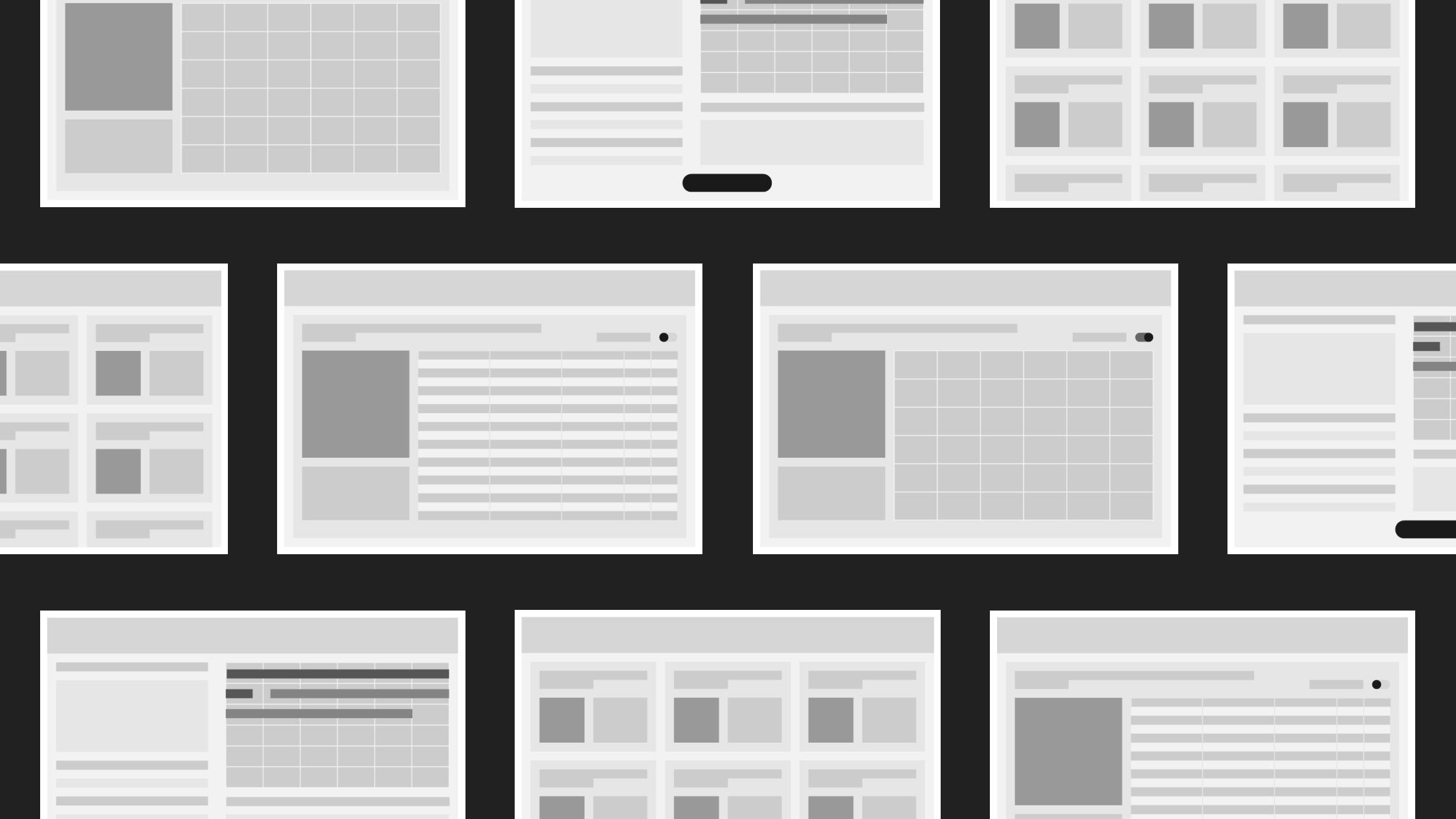
Construction teams rely on large fleets of heavy equipment. However, current tools make it hard to quickly grasp equipment availability, condition, and maintenance needs. Information is often scattered or difficult to interpret. This can result in underused assets, unexpected downtime, and delayed decisions.
The goal was to create a clear and user-friendly digital experience. This would help operators and managers track equipment status, minimize disruptions, and promote safer, more efficient job site operations.
The approach aimed to create a centralized fleet management experience that stressed clarity, prioritization, and ease of use. Rather than showing too much data, the design focused on displaying the most important information at a glance.
The concept looked at real-time equipment visibility, indicators for proactive maintenance, and simpler workflows for managing equipment at job sites. It also considered safety, compliance, and various user roles.
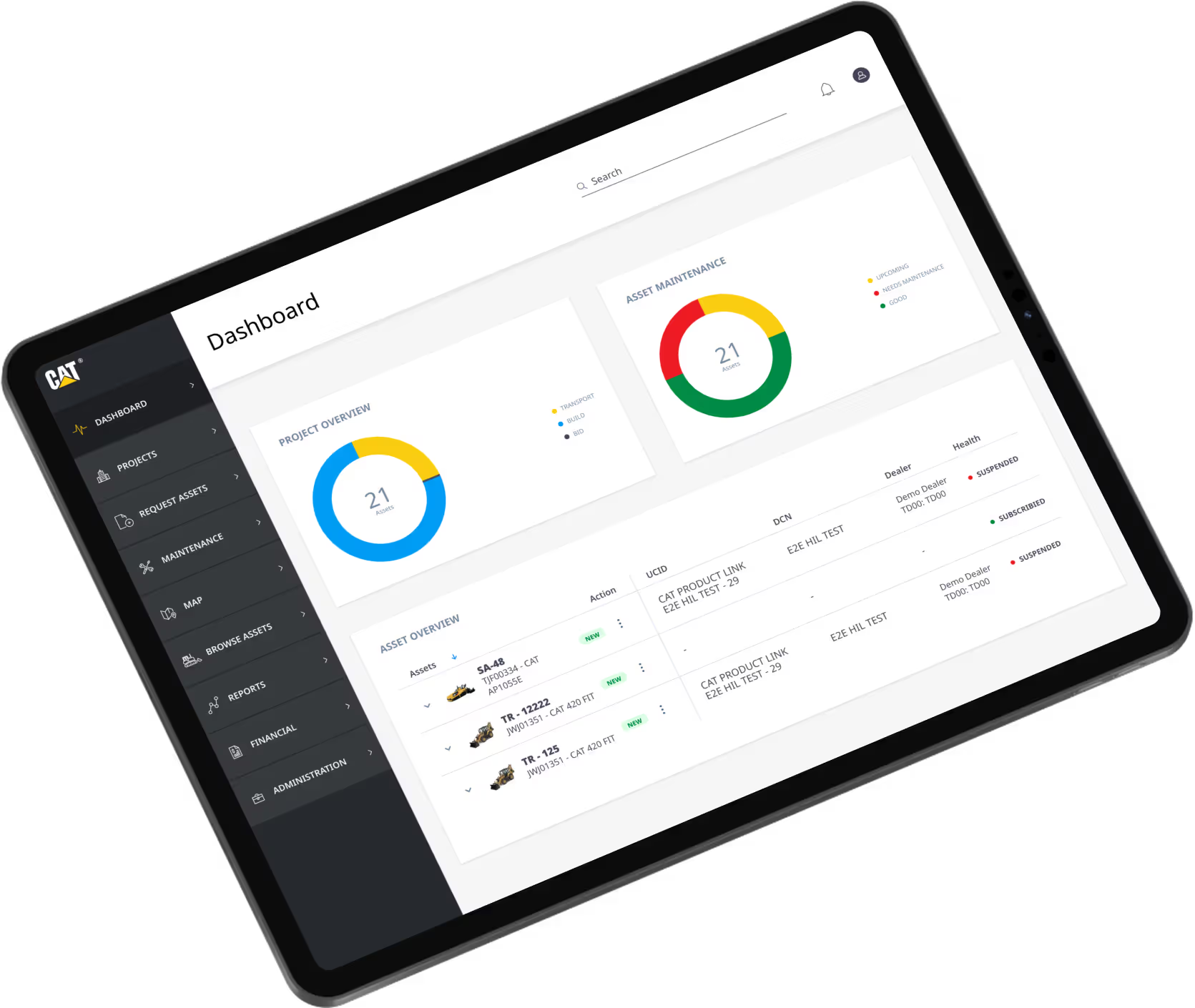
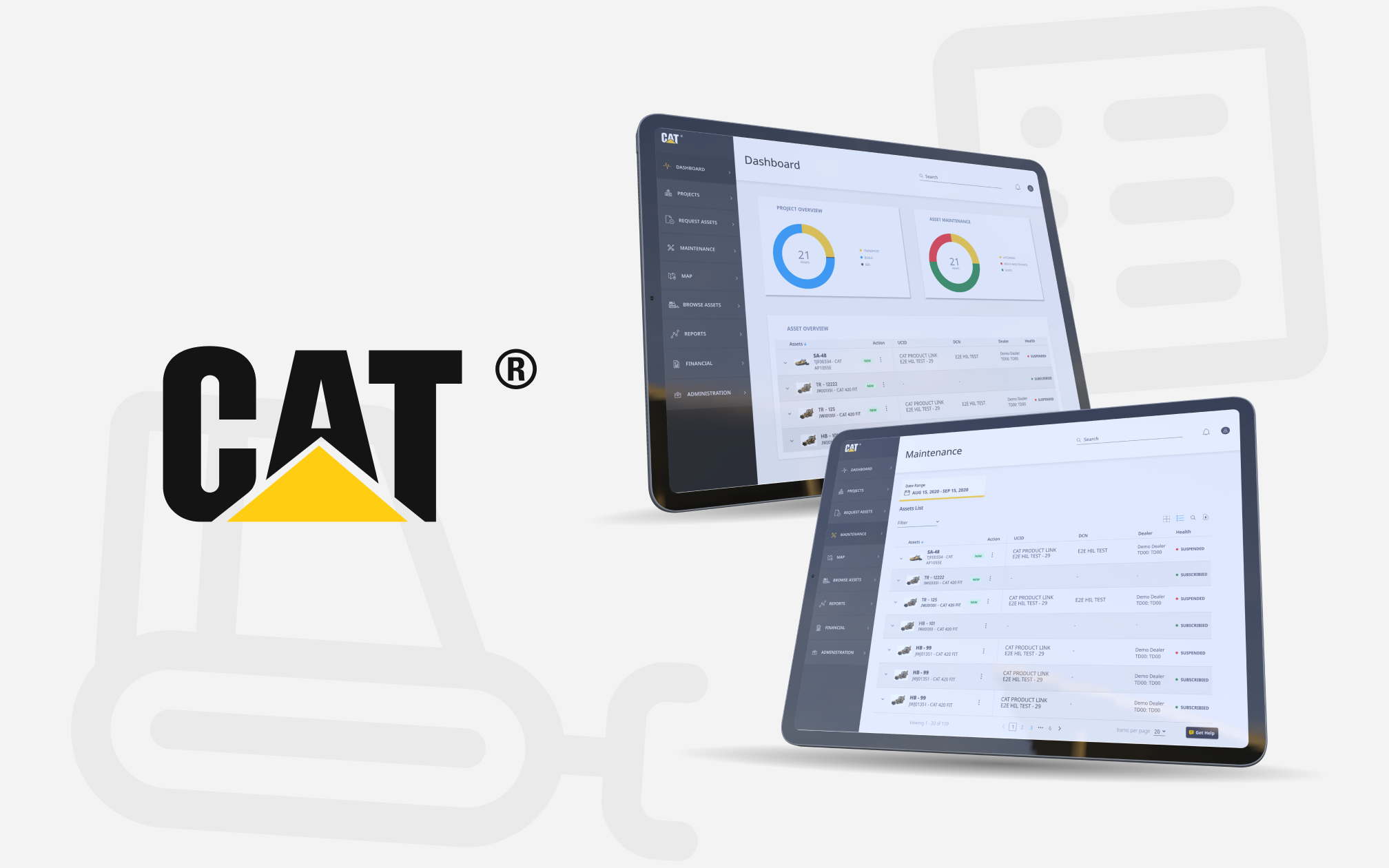
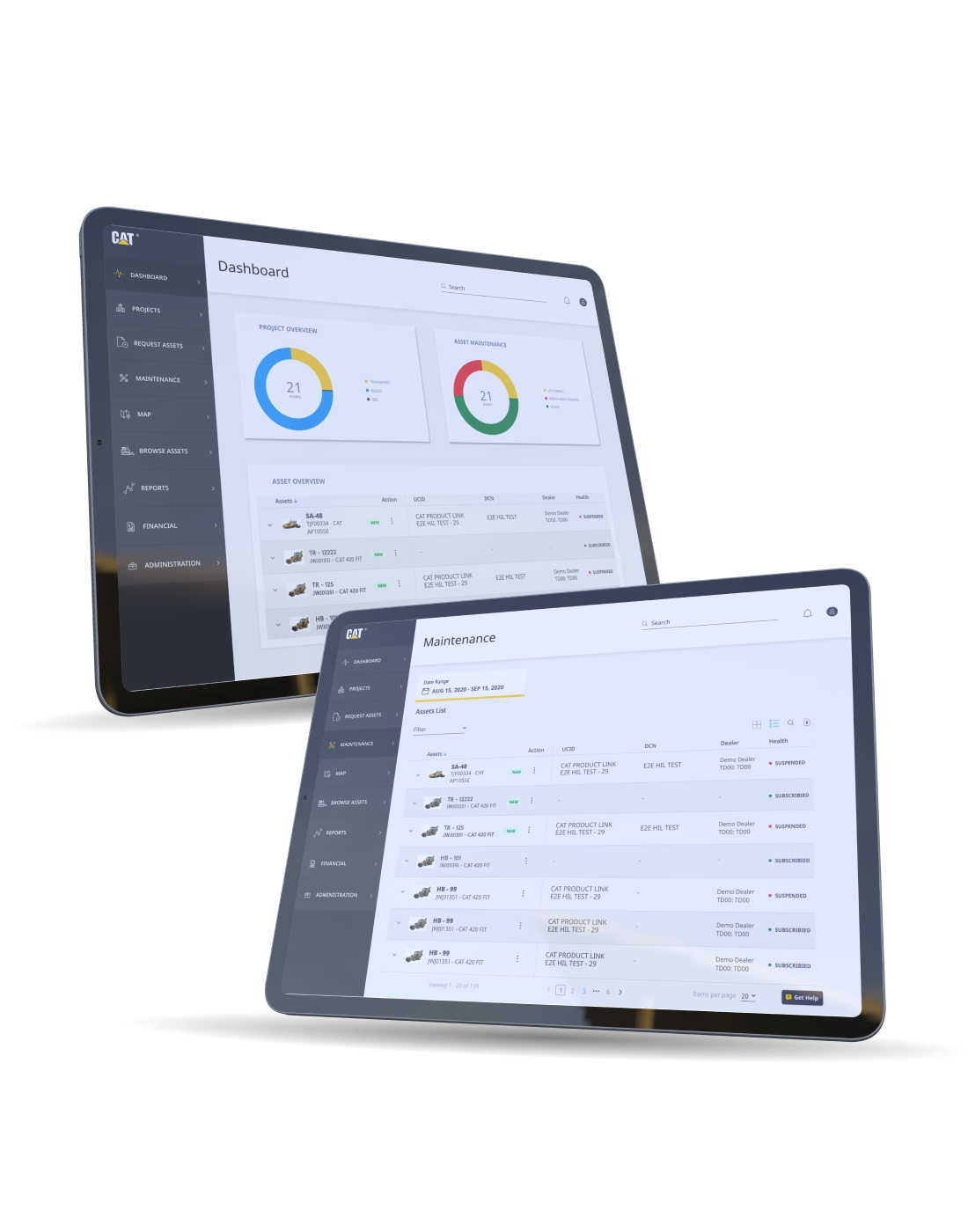
The fleet overview was designed to give operators and managers a clear, high-level view of all equipment in one place. The experience focused on making it easy to quickly understand which machines were active, idle, or unavailable, without requiring users to dig through multiple screens. Visual hierarchy and status indicators were used to surface critical information at a glance, helping teams make faster decisions about equipment usage and availability across job sites.
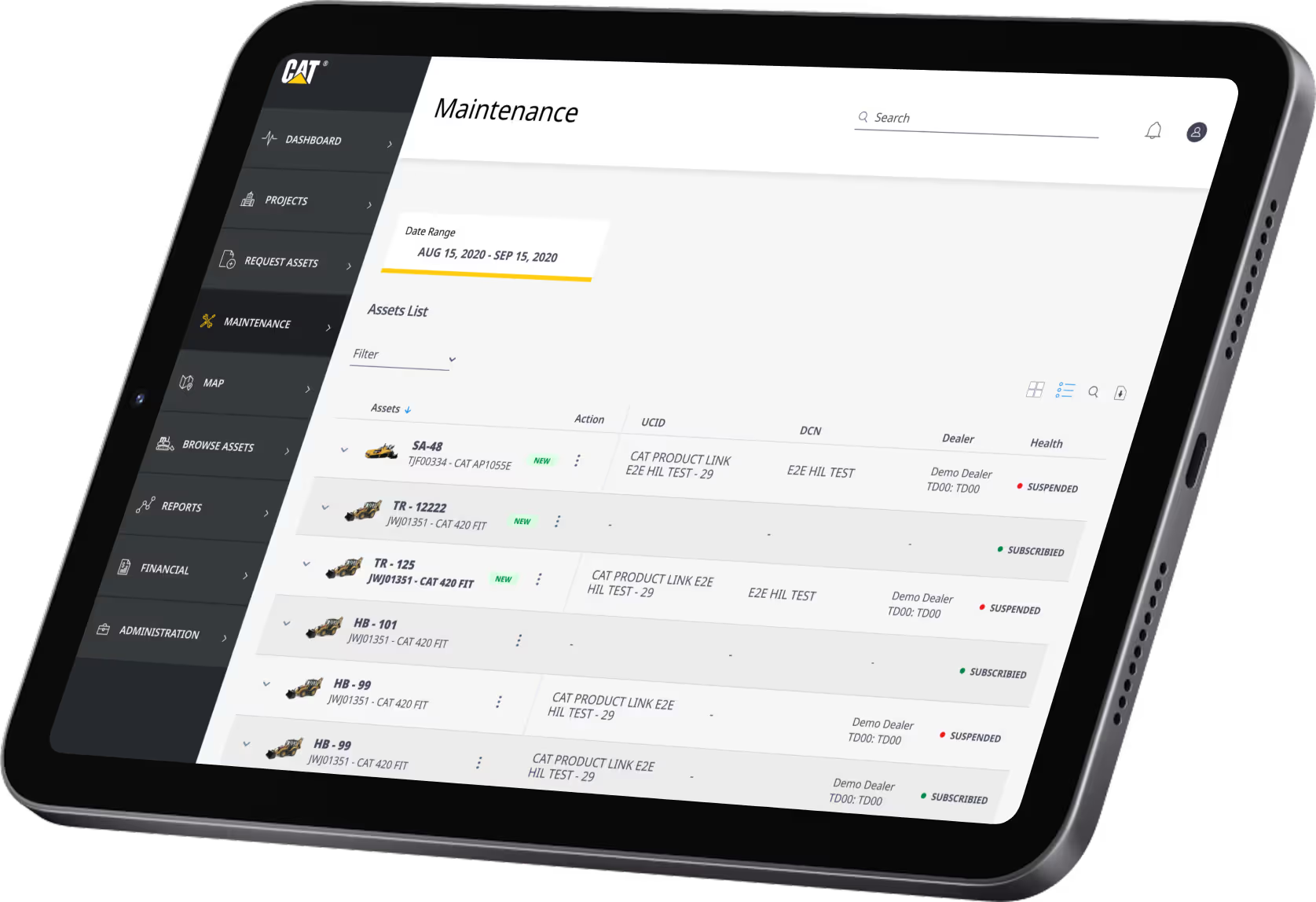
To help reduce unexpected downtime, the maintenance experience explored ways to surface early indicators of equipment issues before they became critical. The design emphasized proactive visibility into maintenance needs, highlighting machines that required attention and clearly distinguishing routine maintenance from higher-priority concerns. This allowed managers to plan ahead, schedule service more effectively, and minimize disruptions to ongoing projects.
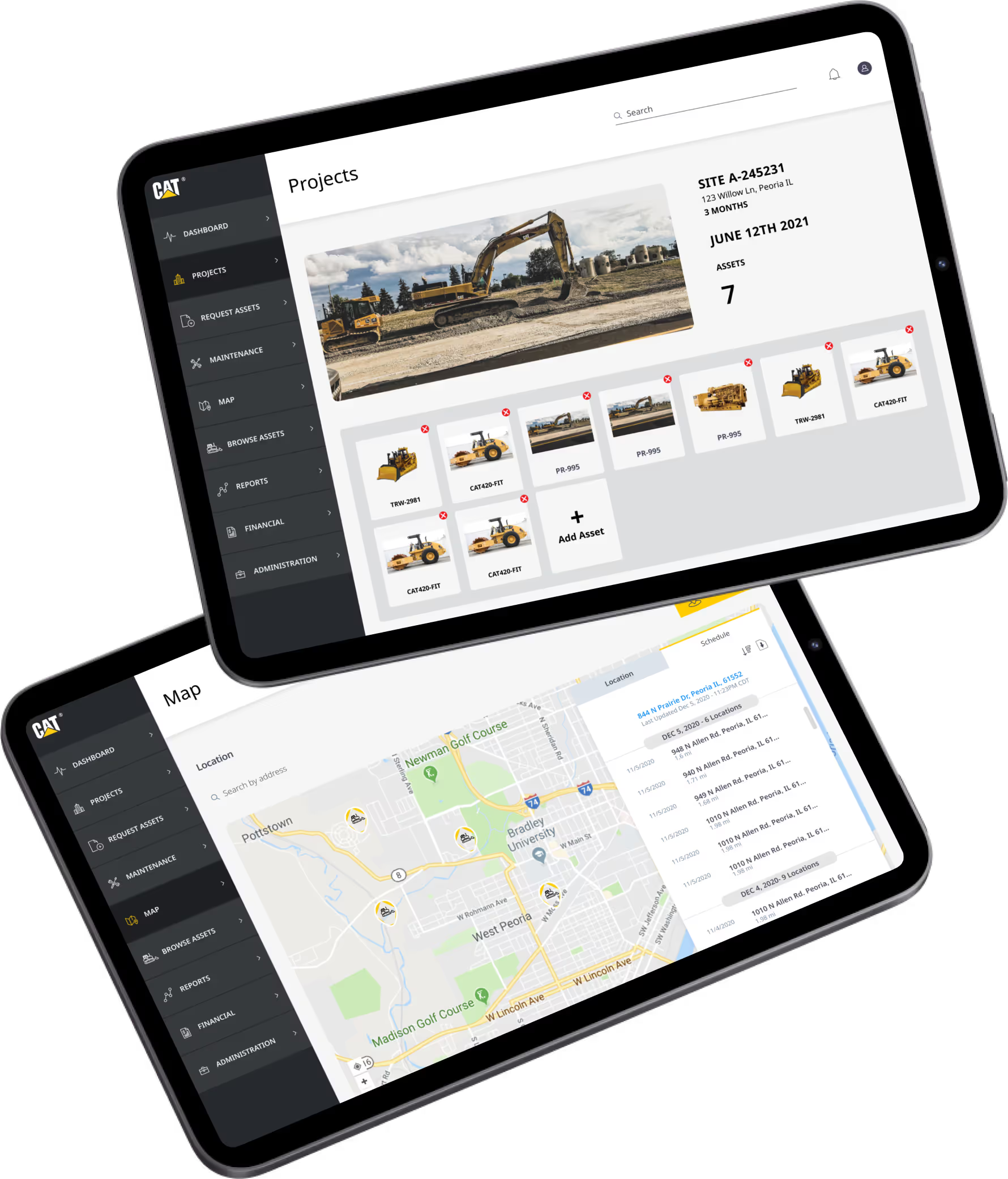
This feature focused on simplifying how equipment is assigned and managed across job sites while keeping safety considerations visible. The experience explored streamlined workflows for assigning equipment based on availability and job needs, along with integrated safety and compliance indicators to support responsible operation. By combining operational and safety information in one place, the design aimed to reduce friction and improve confidence in day-to-day decision-making.